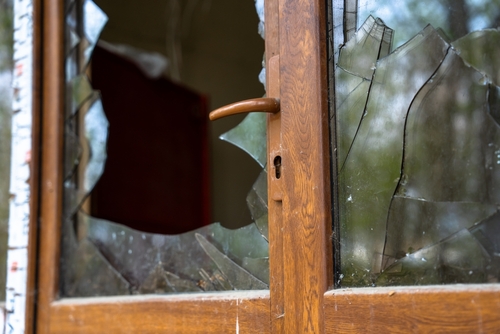
Are Real Estate Agents Liable for Damage During a Showing? Protect Your Illinois License
Not automatically. When property is damaged during a showing, whether a real estate agent is responsible depends on who actually caused the damage, what the agent did or failed to do, the agent’s supervisory and contractual duties, and what the evidence shows. The same incident can also raise a separate question: whether the damage, or how it was handled, gives the Illinois Department of Financial and Professional Regulation (IDFPR) grounds to look at your license.
Callahan Law Firm represents Illinois real estate brokers and managing brokers facing complaints, investigations, and disciplinary concerns. We help licensees respond carefully and protect the careers they’ve built. Contact Callahan Law Firm at (312) 209-9394 for a free consultation.
Separate the Property-Damage Claim From the Licensing Question
A damaged floor or broken fixture usually starts as a money question. The seller may ask the buyer, the agent, the brokerage, or an insurer to pay for repairs, and in some cases may file a civil claim. That dispute turns on ordinary negligence and contract principles.
A licensing inquiry is different. IDFPR evaluates whether a licensee violated the Real Estate License Act of 2000 or IDFPR’s rules. Keeping these two tracks separate helps you avoid statements in one that create problems in the other.
Being Present at the Showing Does Not Equal Automatic Liability
Being the agent at a showing doesn’t make you responsible for everything that happens there. Liability generally depends on your actual conduct, how much control you had over the people and the property, whether you knew or should have known about a risk, and what duties you owed under your agreements and brokerage policies.
Identify Who Actually Caused the Damage
Damage during a showing can come from many sources: a buyer, a buyer’s child, an inspector or other vendor, another agent, a pet, a falling object, a lockbox or access problem, or a condition that existed before anyone arrived.
Write down a neutral, factual timeline as soon as possible, including who entered, when, which rooms they visited, and when the damage was first noticed. Avoid guessing or assigning blame in your notes.
Review Agency Agreements, Brokerage Policies, and Showing Instructions
Your written documents often shape the analysis. Listing and buyer agency agreements define what you agreed to do for your client. Brokerage policies may set rules for accompanying showings, supervising buyers, and reporting incidents. The seller’s showing instructions, such as requirements to remove shoes, keep pets contained, or lock certain doors, can matter too. Comparing what happened against these documents helps clarify whether anyone departed from an expected practice.
Do Not Promise the Seller You Will Personally Pay Before the Facts Are Clear
It’s natural to want to smooth things over, but an offer to pay can later look like an admission of fault. Keep communications with the seller factual and courteous. Notify your sponsoring or managing broker promptly, and report the incident to your insurer according to your policy’s requirements.
Document the Scene and Preserve Communications
Evidence fades quickly after a showing. Preserve:
- Photos: Current photos of the damage, along with listing photos showing the prior condition.
- Access records: Showing-service logs and lockbox entry data.
- Communications: Texts, emails, and voicemails with the seller, buyer, other agents, and your broker.
- Outside evidence: Surveillance or doorbell camera footage, witness names, and repair estimates.
When a Property-Damage Dispute Can Become an IDFPR Matter
Anyone can file a complaint with IDFPR, and a complaint can lead to an investigation. Under 225 ILCS 454/20-20, IDFPR may reprimand, place on probation, suspend, or revoke a license, and impose fines of up to $25,000 per violation, for specific listed grounds. Those grounds include dishonest dealing, dishonorable or unprofessional conduct likely to harm the public, misrepresentation, a managing broker’s failure to maintain required policies or supervision, and violations of the Act or rules.
Accidental damage during a showing is not, by itself, listed as a violation. What often matters more is how the licensee handled the incident afterward, such as whether communications were honest, whether records were provided, and whether supervision duties were met.
A Civil Settlement Does Not Necessarily End a Licensing Inquiry
Paying for repairs or resolving the matter through insurance may satisfy the seller, but it doesn’t control IDFPR. The Department has its own authority to investigate, and a private resolution doesn’t automatically close a complaint that has already been filed.
Respond Carefully to IDFPR Requests and Notices
If IDFPR contacts you, take it seriously. Failing to provide requested information or respond within 30 days is itself a ground for discipline under the Act. Responses may involve written statements, document production, interviews, and in some cases formal hearings. Meet every deadline, but review the request with counsel before submitting a statement, since speculative or unnecessary admissions can shape the entire investigation.
Insurance and Brokerage Indemnity May Be Relevant
Errors and omissions coverage, general liability insurance, brokerage policies, and indemnity provisions in your agreements may come into play. Whether any of them applies depends on the specific policy language, exclusions, and notice requirements. Report the incident promptly and review your policies rather than assuming coverage exists or doesn’t.
Build a License-Protection File Before Memories Fade
Organize everything in one place while details are fresh: your timeline, communications, agreements and brokerage policies, photos, access logs, witness information, insurance notices, and any corrective steps you’ve taken, such as updated showing procedures. A well-organized file makes it far easier to respond accurately if a complaint arrives weeks or months later.
Call Callahan Law Firm if a Showing Dispute Threatens Your Illinois License
Callahan Law Firm focuses on professional licensing defense, representing licensees before IDFPR and other regulators across Illinois and the Midwest from our Chicago office. Attorney Patrick M. Callahan and our team review the facts, help you respond to IDFPR deadlines and document requests, and work to resolve concerns at the earliest stage possible. We give clear guidance about your options so you can make informed decisions.
Learn more about our Illinois real estate license defense and broader Illinois professional license defense services for more information on how we help the people of Illinois with their license needs. No outcome can be guaranteed, but early guidance can make a meaningful difference.
Contact Callahan Law Firm at (312) 209-9394 to discuss your situation.
Illinois Real Estate License Frequently Asked Questions
Can IDFPR discipline me just because property was damaged during a showing?
Not on that basis alone. Discipline requires a legal ground under the Real Estate License Act or IDFPR’s rules, such as dishonest dealing, unprofessional conduct, or a supervision failure. Whether any ground applies depends on the specific facts.
Should I give IDFPR a written statement right away?
Meet every deadline, since failing to respond within 30 days can itself lead to discipline. However, review the request carefully and speak with counsel before submitting a statement so you don’t make unnecessary admissions.
What records should I preserve after a showing damage complaint?
Keep showing-service and lockbox logs, texts and emails, photos of the damage and the prior condition, your agency agreements and brokerage policies, witness information, and copies of any insurance notices.