

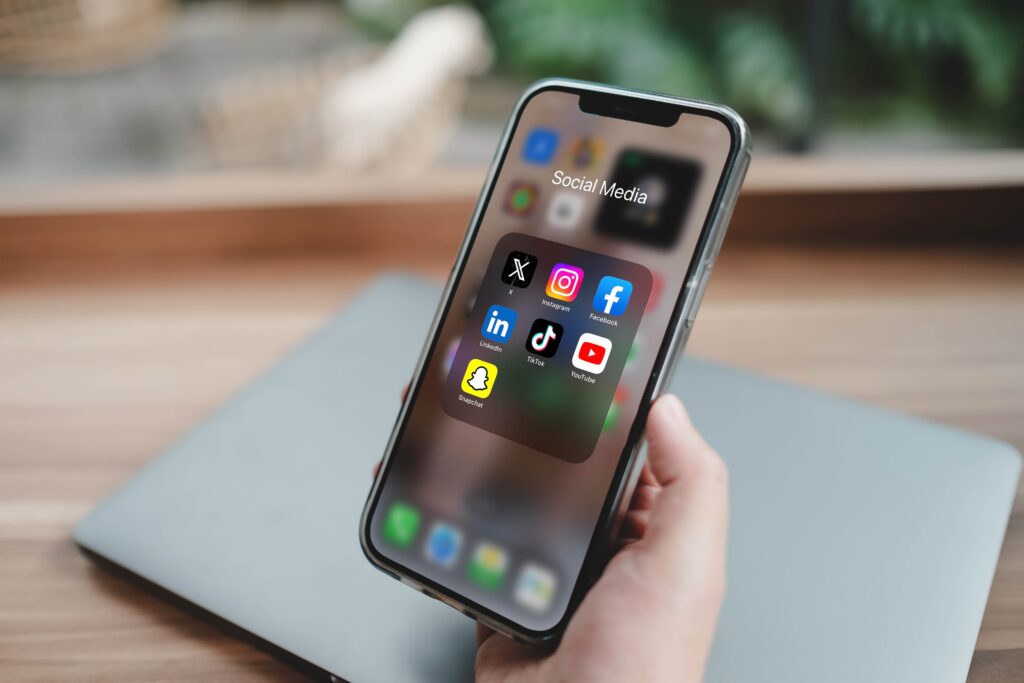
Yes, it can. A single post, comment, story, or photo shared online can trigger a complaint to the Illinois Department of Financial and Professional Regulation, open a formal investigation into your nursing license, and in serious cases result in suspension or revocation. It does not have to be intentional, malicious, or even widely seen. It just has to come to the IDFPR's attention and fit within the conduct the agency is authorized to discipline.
Callahan Law defends Illinois nurses facing IDFPR investigations and licensing actions. One misunderstood social media shouldn’t result in you losing your career, so call us at (312) 209-9394 for a free consultation today.
The Short Answer: Yes — Here's How It Happens
Social media creates a permanent, searchable, shareable record of everything you post. For Illinois nurses, that record is subject to scrutiny not just by employers but by patients, patient family members, coworkers, and the IDFPR itself.
A post that violates patient privacy, suggests impairment or illegal conduct, or falls within the definition of unprofessional conduct under the Illinois Nurse Practice Act can become the basis for a formal complaint and a licensing action. The question is not whether it could happen to a nurse in Illinois. It is whether it could happen to you, and for nurses getting in trouble for social media posts, the answer is happening with increasing frequency.
How a Post Becomes a Licensing Problem
Most nurses who face IDFPR complaints about social media posts did not plan to create a problem. The post seemed harmless, private, funny, or simply cathartic after a difficult shift. Understanding the pathway from post to licensing action helps explain why the risk is real even when the intent was innocent.
Who Can Report You to the IDFPR
Anyone can file a complaint with the IDFPR. Patients, patient family members, coworkers, supervisors, former employers, and members of the public who come across a post can all initiate the complaint process. Hospitals and healthcare systems that discover posts violating their social media policies sometimes report directly to the IDFPR in addition to taking internal employment action.
Opposing parties in personal legal matters have been known to search for professional licensing ammunition. There is no requirement that the complainant have a direct relationship with you or have been personally affected by the post.
Why "Private" Accounts Don't Protect You
Privacy settings on social media platforms are not confidentiality protections. A post shared with two hundred friends can be screenshot by any one of them and forwarded to an employer, a patient's family member, or directly to the IDFPR. Stories that disappear after 24 hours can be captured before they expire. Posts made in closed Facebook groups, private Instagram accounts, and direct messages have all appeared in professional licensing complaints. The only reliable assumption is that anything posted online can eventually be seen by someone who will find it problematic.
The Posts That Get Nurses in Trouble
Not every uncomfortable post rises to the level of a licensing complaint, but several categories of content create consistent and serious risk for Illinois nurses.
Patient Privacy Violations: HIPAA and Illinois Confidentiality
This is the highest-risk category. Sharing any information that could identify a patient, whether directly or indirectly, violates HIPAA and Illinois confidentiality law. You do not need to use a patient's name. Describing a specific case, condition, or situation in enough detail that someone familiar with the patient could identify them is sufficient. Posting a photo from a clinical setting that includes a patient, a patient's room, or identifiable medical equipment or records creates the same exposure. Even vague posts like "had the wildest patient today" can draw scrutiny when accompanied by details that narrow identification.
HIPAA violations that arise from social media posts can generate dual consequences: federal penalties under HIPAA and state licensing consequences under Illinois law. The IDFPR does not need a federal HIPAA finding to open its own investigation.
Unprofessional Conduct Under the Nurse Practice Act
The Illinois Nurse Practice Act authorizes the IDFPR to discipline nurses for unprofessional conduct, and that term is interpreted broadly. Posts that demean or mock patients, express hostility toward vulnerable populations, sexualize clinical situations, or portray the nursing profession in ways the Board considers harmful to public trust have all been cited in discipline cases. Posts made in anger after a difficult shift, comments on news articles that express extreme views about patient populations, and humor that works in a breakroom but lands differently in public are all potential sources of unprofessional conduct complaints.
Evidence of Impairment or Illegal Activity
Posts showing a nurse consuming alcohol to excess, using controlled substances, or appearing intoxicated can support impairment-related licensing complaints. Illinois has an Alternative to Discipline program for nurses with substance use issues, but reaching that program rather than formal discipline often depends on how the situation is handled from the start. Posts showing or describing illegal activity, even activity that seems unrelated to nursing practice, can be used to support fitness-to-practice concerns.
False or Misleading Health Claims
Nurses who use social media to share health information, run wellness accounts, or promote products face additional exposure when that content makes medical claims that are inaccurate, unsupported, or potentially harmful. The IDFPR can take licensing action when a nurse's online conduct creates public health risk, and the proliferation of health misinformation on social media has drawn increased regulatory attention to nurses who participate in spreading it.
What Discipline Can Look Like
The IDFPR has a range of disciplinary tools available, and the outcome of any specific investigation depends on the nature of the conduct, the nurse's history, the quality of the response, and whether the matter is handled with legal representation.
From Letter of Concern to Revocation
Outcomes on the less severe end include a Letter of Concern, which is a formal but non-disciplinary notice that goes into your licensing file, and a reprimand, which is public and appears on the IDFPR's online license lookup. More serious outcomes include probation with conditions such as practice supervision, monitoring, or continuing education requirements, suspension of the license for a defined period, and in the most serious cases, revocation. Each level of discipline carries different implications for current employment, future employment, and the ability to practice in other states.
Why Even "Minor" Discipline Follows You
A reprimand that feels minor in isolation becomes significant when you apply for a position that requires a background check, apply for licensure in another state, or seek credentialing at a new facility. Healthcare employers and credentialing bodies routinely check the IDFPR's public license database, and any disciplinary notation on your record will require explanation. In many cases, the lasting employment and professional consequences of even lower-level discipline outweigh the immediate licensing penalty.
What to Do If You're Contacted About a Post
Receiving a contact from the IDFPR or from your employer about a social media post is frightening, and the instinctive responses, explaining yourself, apologizing, deleting the post, or trying to fix things quickly, are often the responses that cause the most harm to the case.
Don't Delete, Don't Respond, Don't Explain
Deleting content after learning about a complaint can be characterized as destruction of evidence and creates additional problems on top of the underlying complaint. Responding to the IDFPR without legal counsel, even with a truthful and well-intentioned explanation, creates a written record that becomes part of the investigation file and can be used in ways you did not anticipate. Talking to coworkers, supervisors, or HR about the specifics of what you posted and why is not protected and can produce additional witnesses against you. Stop, take a breath, and make one call before doing anything else.
When to Call a License Defense Attorney
Call before you respond to the IDFPR, submit any written statement, or have your employer-requested meeting with HR about the post. The earlier an attorney is involved, the more options are available to shape the response, present mitigating context, and in some cases resolve the matter before formal charges are filed.
For a detailed understanding of what to do when the IDFPR investigates your nursing license, the process and your rights at each stage are important to understand before the investigation progresses.
An Illinois nursing license defense attorney can communicate with the IDFPR on your behalf, gather evidence that supports your position, identify procedural defenses, and represent you at any hearing the investigation produces. The IDFPR's attorneys are experienced at building discipline cases. Facing them without representation is a significant disadvantage.
Protecting Your License Before There's a Problem
The most effective licensing protection is proactive. Review your social media accounts with the same critical eye an IDFPR investigator would apply. Remove content that includes any patient-identifiable information, that portrays patients or clinical situations in a demeaning way, or that could support impairment or illegal activity concerns. Set accounts to private understanding that privacy is not a guarantee, but it does reduce casual exposure. Before posting anything related to your work, ask whether it could be read as a patient privacy violation or unprofessional conduct by someone looking for a problem.
Know your employer's social media policy. Many hospitals and health systems have policies that are more restrictive than what the Nurse Practice Act technically requires, and violations of employer policy are frequently the pathway through which social media conduct reaches the IDFPR.
If you are unsure whether something you have already posted creates licensing risk, or if you want a professional review of your online presence before a problem develops, Callahan Law can help. One of our Illinois nursing license defense attorneys can evaluate your situation and give you an honest assessment of your exposure before the IDFPR gets involved. Contact Callahan Law at (312) 209-9394 for a free consultation today.
FAQ: Illinois Nurses and Social Media
Can I lose my nursing license for a Facebook post?
Yes. Posts that violate patient privacy, demonstrate unprofessional conduct, or suggest impairment or illegal activity can trigger IDFPR investigations that result in licensing discipline including suspension or revocation.
Does HIPAA apply to personal social media accounts?
Yes. HIPAA follows the information, not the platform. Sharing patient-identifiable information on a personal account is a HIPAA violation regardless of the account's privacy settings.
What should I do if a patient or family member reports me to the IDFPR for a social media post?
Do not respond to the IDFPR without consulting a license defense attorney first. Early legal involvement significantly affects the outcome of investigations.
Can the IDFPR discipline me for posts I made before I was a nurse?
Potentially, depending on the content and when it is discovered. Past posts that reflect on fitness to practice can be raised in licensing proceedings.
Does deleting a post help after a complaint is filed?
No. Deleting posts after a complaint can be viewed as destruction of evidence and may worsen your position. Do not delete anything after becoming aware of a complaint.